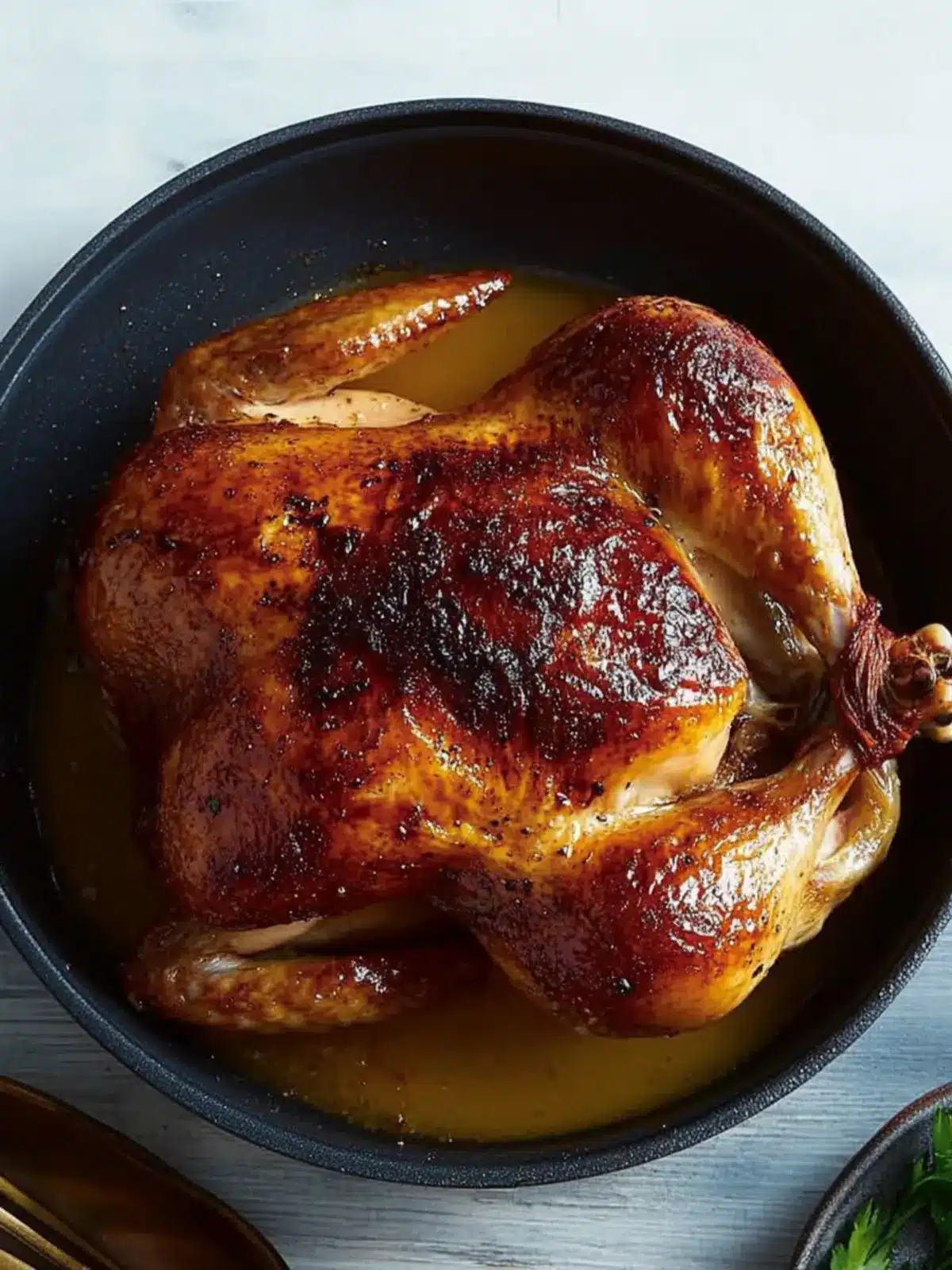
Buttermilk Brine Secrets: Unlock Unbelievably Juicy Chicken Every Time
Tired of dry, bland chicken? Imagine a roast chicken so incredibly tender, so bursting with natural flavor, that every bite is an experience. The secret to this culinary transformation lies in a simple, yet powerful technique: the buttermilk brine. Far from just a fleeting trend, the magic of buttermilk creates the ultimate tender roast chicken, turning everyday poultry into a show-stopping dish. If you're ready to elevate your home cooking, mastering the buttermilk roast chicken recipe is your next step to culinary stardom.The Science Behind the Buttermilk Brine Magic
Before diving into the recipe, let's understand *why* buttermilk works wonders on chicken. It’s more than just a flavor enhancer; it's a tenderizing powerhouse, thanks to its unique chemical composition:- Lactic Acid: Buttermilk is acidic due to its lactic acid content. This acid gently breaks down the tough muscle fibers in the chicken, effectively tenderizing the meat without making it mushy, as stronger acids like lemon juice or vinegar sometimes can. The result is incredibly tender, melt-in-your-mouth chicken.
- Calcium: Buttermilk is also rich in calcium. This mineral interacts with enzymes in the chicken, further contributing to the tenderization process.
- Salt: A crucial partner to buttermilk in any brine, salt works through osmosis. It first draws out some moisture from the chicken, then as the chicken rests in the brine, the salt solution (along with the buttermilk's flavor and tenderizing agents) is reabsorbed into the meat. This process unwinds muscle proteins, allowing them to hold onto more moisture during cooking, ensuring the chicken stays unbelievably juicy.
- Flavor Infusion: Buttermilk acts as an excellent carrier for other flavors like herbs, garlic, and spices, allowing them to penetrate deep into the meat.
- Browning Boost: The slight acidity and sugars present in buttermilk also contribute to a beautiful, golden-brown crust during roasting, adding another layer of deliciousness.
Crafting Your Signature Buttermilk Roast Chicken Recipe: Ingredients & Variations
Whether you're roasting a whole bird or focusing on individual pieces, the core principles of a successful buttermilk roast chicken recipe remain the same.Essential Ingredients:
- Chicken: A 4-5 pound whole chicken is ideal for a classic roast, or opt for 10-12 drumsticks or thighs for quicker cooking and easier serving. Look for organic or air-chilled chicken for the best flavor and texture if available.
- Buttermilk: Approximately 2 cups. Full-fat buttermilk is preferred for richness, but low-fat varieties will still deliver excellent results.
- Salt: 1-2 tablespoons of Kosher salt or sea salt (like Maldon). Avoid standard table salt, which is much finer and can make your chicken overly salty if you use the same quantity.
- Aromatics: 2-3 cloves of garlic (bruised or minced), 1 tablespoon each of fresh minced rosemary and thyme leaves are classic choices that complement chicken beautifully.
- Black Pepper: 1-2 teaspoons of freshly cracked black pepper adds a delightful aromatic kick.
- Oil: A few tablespoons of vegetable oil or olive oil for marinating and drizzling.
Optional Enhancements & Creative Variations:
While the basic combination is fantastic, don't hesitate to personalize your buttermilk brine:
- Sweet Notes: 1 tablespoon of maple syrup (a favorite of Nigella Lawson) or honey can enhance browning and add a subtle, sweet counterpoint to the savory chicken.
- Spicy Kick: A teaspoon of ground cumin, paprika, or a pinch of cayenne pepper can introduce warmth and depth.
- Citrus Brightness: Zest from half a lemon can add a vibrant, fresh aroma without overwhelming the buttermilk's tenderizing properties.
- Additional Herbs: Sage, oregano, or a bay leaf can be wonderful additions to the herb profile.
Considering Different Chicken Cuts:
- Whole Chicken: The most impressive presentation and ideal for feeding a crowd. It requires the longest brining time to ensure uniform tenderness.
- Drumsticks & Thighs: Perfect for casual meals or appetizers. Their smaller size means a slightly shorter brining and roasting time.
- Spatchcocked (Butterflied) Chicken: A whole chicken with the backbone removed and flattened. This method dramatically reduces roasting time and ensures more even cooking and crispier skin. It's a fantastic compromise between a whole bird and individual pieces.
Mastering the Brining and Roasting Process for Ultimate Juiciness
The success of your buttermilk roast chicken recipe hinges on two critical phases: proper brining and mindful roasting.Step 1: The Brining Procedure
- Prep the Chicken: If using a whole chicken, remove the neck and any giblets from the cavity. Pat the chicken dry with paper towels. For drumsticks or thighs, simply pat dry.
- Prepare the Brine: In a large mixing bowl, whisk together the buttermilk, salt, pepper, minced garlic, and your chosen herbs (rosemary, thyme). Add any optional spices or maple syrup at this stage.
- Combine Chicken and Brine: Place the chicken (whole or pieces) into a large, resealable freezer bag (a gallon-size bag works well for a whole chicken) or a non-reactive dish. Pour the buttermilk mixture over the chicken, ensuring it's completely submerged and coated.
- Marinate: Seal the bag or cover the dish and refrigerate.
- For a Whole Chicken: Brine ideally overnight, or for at least 12 hours and up to 24 hours. A longer brine ensures maximum tenderness and flavor penetration.
- For Drumsticks or Pieces: Brine for at least 4 hours, and up to 24 hours. Even 30 minutes at room temperature can make a difference if you're truly short on time, but longer is always better.
Step 2: Roasting for Perfection
- Preheat Oven & Prep Chicken: When ready to roast, preheat your oven to 425°F (220°C). Remove the chicken from the brine. Shake off any excess marinade – do NOT rinse the chicken, as this removes flavor and can spread bacteria. The most crucial step for crispy skin is to pat the chicken absolutely bone dry with paper towels.
- Room Temperature Rest: For more even cooking, let the chicken sit at room temperature for 30-60 minutes before roasting.
- Arrange for Roasting: Place the chicken in a roasting tin, ideally lined with foil for easier cleanup, or directly in a cast iron pan. Drizzle the remaining 1-2 tablespoons of oil over the chicken. Ensure the pieces aren't overcrowded in the pan, allowing air to circulate for even browning.
- Roast:
- For Drumsticks/Thighs: Roast for about 30-40 minutes, or until the skin is beautifully golden brown, even slightly scorched in parts, and the internal temperature reaches 165°F (74°C) in the thickest part of the meat.
- For a Whole Chicken: Start at 425°F (220°C) for 20-30 minutes to achieve initial browning, then reduce the oven temperature to 375°F (190°C) and continue roasting for another 60-90 minutes, depending on the size of the chicken. The chicken is done when a meat thermometer inserted into the thickest part of the thigh (avoiding the bone) reads 165°F (74°C).
- Rest: This step is non-negotiable for juicy chicken! Once removed from the oven, transfer the chicken to a cutting board, tent it loosely with foil, and let it rest for at least 10-15 minutes (20 minutes for a whole chicken). This allows the juices to redistribute throughout the meat, resulting in unparalleled juiciness.
Tips for a Flawless Buttermilk Roast Chicken Every Time
Achieving that unbelievably juicy and flavorful buttermilk roast chicken is simpler than you think with these additional pointers:- The Pat-Dry Mantra: We can't stress this enough. A truly dry skin is the foundation for a crispy skin. Any moisture left on the surface will steam instead of crisp.
- Use a Meat Thermometer: This is your best friend for perfectly cooked chicken. It eliminates guesswork and prevents overcooking, which is the primary cause of dry chicken. Always aim for 165°F (74°C).
- Don't Rinse the Brine: As mentioned, rinsing after brining washes away flavor and increases the risk of cross-contamination in your kitchen. Just pat dry.
- Plan Ahead: The brining time is crucial. Give your chicken ample time in the buttermilk bath, especially for a whole bird. This step cannot be rushed for optimal results.
- Consider Oven Placement: For a whole chicken, place it on a lower-middle rack to prevent the top from browning too quickly before the inside is cooked. For pieces, a middle rack is usually fine.
- Make it a Meal: Roast potatoes, carrots, or other root vegetables alongside your chicken in the same pan for an easy, flavorful side dish that soaks up all those delicious pan juices.
For more detailed step-by-step guidance and specific ingredient ratios, refer to this Easy Buttermilk Roast Chicken Recipe for Juicy Perfection.
