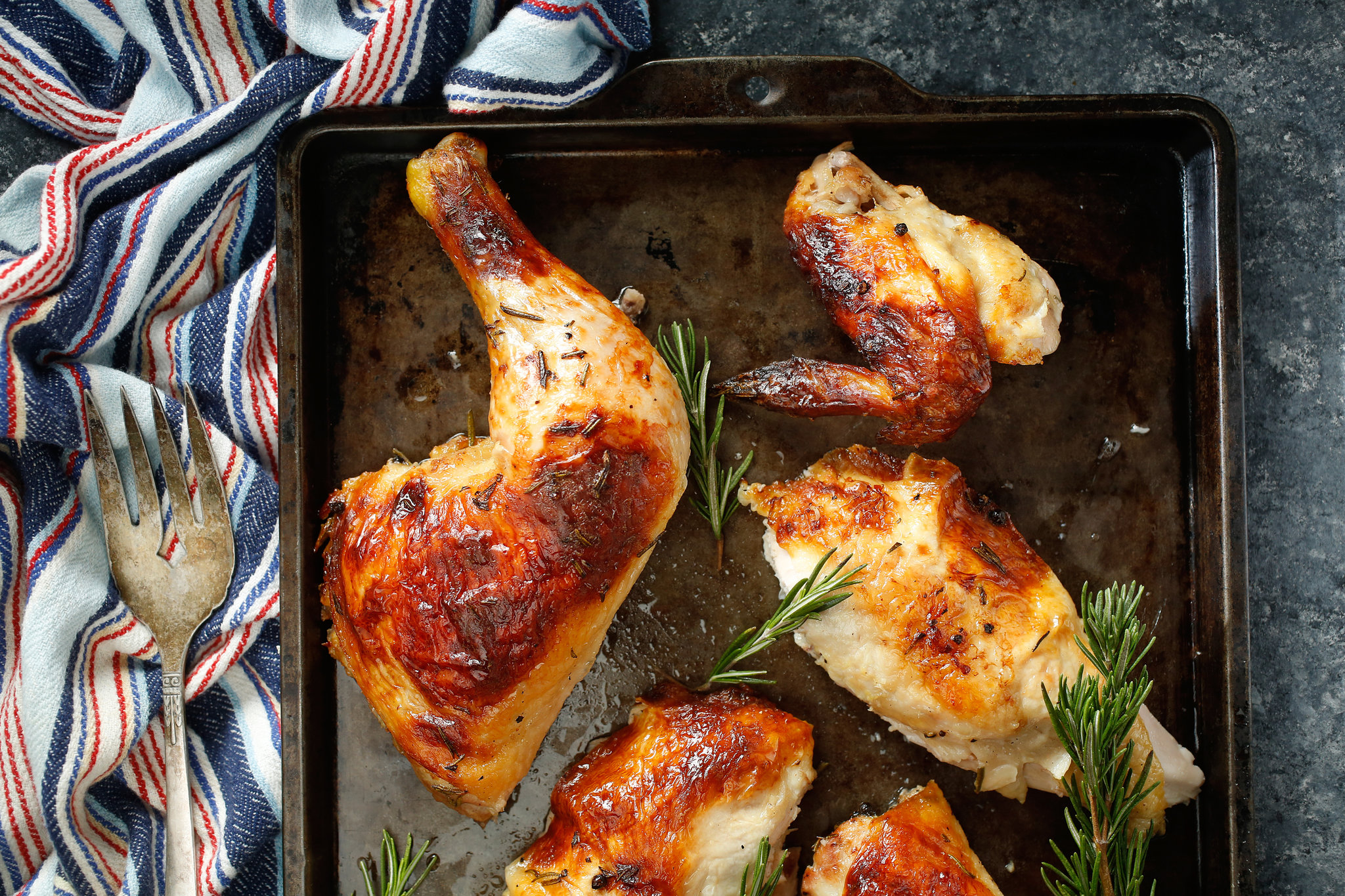
Why Buttermilk Creates the Ultimate Tender Roast Chicken
Imagine a roast chicken: golden, crispy skin giving way to unbelievably tender, succulent meat that practically melts in your mouth. If this sounds like a culinary dream, then prepare to have your perceptions of poultry perfection transformed by the humble yet mighty ingredient: buttermilk. For years, chefs and home cooks alike have sworn by the magic of a buttermilk marinade, promising not just flavor but an unparalleled tenderness that makes it a true game-changer for any
Easy Buttermilk Roast Chicken Recipe for Juicy Perfection.
But why buttermilk? What is it about this tangy dairy product that elevates a simple roast chicken to such extraordinary heights? The answer lies in a fascinating blend of culinary science and straightforward technique. This article will delve into the secrets behind buttermilk's tenderizing power, explore its profound impact on flavor and texture, and guide you through crafting your own ultimate buttermilk roast chicken.
The Culinary Science Behind Buttermilk's Magic
The secret to buttermilk's success in tenderizing meat isn't magic, but rather a clever application of food science. Its unique composition works on chicken in several powerful ways, resulting in that coveted tender, juicy finish.
The Power of Lactic Acid
Buttermilk, traditionally a byproduct of butter churning, is acidic due to the presence of lactic acid. When chicken is immersed in a buttermilk marinade, this mild acidity begins to work its wonders. Unlike stronger acids (like lemon juice or vinegar), which can "cook" or toughen the exterior of meat if left too long, buttermilk's lactic acid is gentle. It slowly breaks down the tough muscle fibers and connective tissues in the chicken.
Think of it like this: the acid causes the protein strands to unwind and loosen. This process is called denaturation. As these proteins relax, the meat becomes significantly more tender. Crucially, buttermilk's lower pH also helps inhibit the growth of spoilage bacteria, giving you a wider safe window for marination and allowing that tenderizing process to take its full effect. Some studies even suggest that naturally occurring enzymes in buttermilk might also contribute to this tenderizing action, further enhancing the meat's texture.
Salt: The Unsung Hero of Juiciness
While buttermilk gets much of the credit, the salt dissolved within the marinade plays an equally vital role in achieving a truly juicy roast chicken. When you add salt to the buttermilk, you're essentially creating a brine. Salt works its magic through osmosis and denaturation.
Firstly, the salt helps to dissolve some of the muscle proteins, which allows the muscle fibers to absorb more moisture. Secondly, salt helps the chicken to retain that moisture during the cooking process. As the chicken cooks, it naturally loses some of its internal liquids. However, chicken that has been brined in a salty buttermilk mixture has a higher initial moisture content and a greater capacity to hold onto it, resulting in a much juicier end product. This synergistic action between the buttermilk's acidity and the salt's brining power is what truly sets this method apart. To learn more about this crucial component, explore our guide on
Buttermilk Brine Secrets: Achieve Unbelievably Juicy Chicken.
Beyond Tenderness: Flavor and Perfect Browning
The benefits of a buttermilk marinade extend far beyond just tenderness. It's a comprehensive flavor enhancer and a secret weapon for achieving that coveted golden, crispy skin.
Infusing Deep Flavor
Buttermilk itself has a distinctive tangy, slightly savory flavor that subtly permeates the chicken, adding an extra layer of complexity. More importantly, buttermilk acts as an excellent carrier for other aromatics and seasonings. Its slightly thicker consistency and acidic nature allow it to cling to the chicken, ensuring a thorough distribution of herbs, spices, garlic, and even sweeteners like maple syrup.
As the muscle fibers relax and open up due to the acid and salt, they become more receptive to absorbing these flavors. Whether you opt for classic rosemary and thyme, pungent garlic and black pepper, or exotic cumin and crushed peppercorns, the buttermilk marinade ensures these vibrant tastes are deeply infused into every bite of the chicken, not just coating the surface.
Achieving Golden, Crispy Skin
One of the most appealing aspects of a perfectly roasted chicken is its irresistibly crispy, beautifully browned skin. Buttermilk contributes significantly to this aesthetic and textural triumph. The residual sugars (lactose) in the buttermilk, combined with any added sweeteners like maple syrup, caramelize beautifully in the hot oven. This encourages the Maillard reaction – a complex chemical reaction between amino acids and reducing sugars that gives browned food its distinctive flavor and color.
Furthermore, the acidity of the buttermilk helps to slightly dry out the surface of the skin during marination, creating the ideal conditions for crisping up in the high heat of the oven. The result is a skin that's not only visually appealing but also crackles with a satisfying crunch, providing a delightful contrast to the incredibly tender meat beneath.
Crafting Your Ultimate Buttermilk Roast Chicken Recipe
While the science explains *why* it works, the practical application is surprisingly simple. Here's how to create your own buttermilk roast chicken masterpiece.
Choosing Your Chicken: Whole Bird vs. Pieces
The buttermilk method is versatile and works wonderfully for both whole chickens and individual pieces.
* **Whole Chicken**: A 4-5 lb whole chicken benefits immensely from an overnight buttermilk brine. It's perfect for a show-stopping dinner party centerpiece or a family meal. For a faster, more even cook, consider spatchcocking (butterflying) the chicken before marinating. This flattens the bird, exposing more surface area to the heat and ensuring everything cooks through at a similar rate.
* **Chicken Pieces**: If you're short on time or prefer individual servings, drumsticks, thighs, or even breast pieces are excellent choices. Nigella Lawson, for instance, often champions drumsticks for their speed and ease, making them ideal for an "alfresco summer supper." Chicken pieces typically require less marinating time than a whole bird, but still benefit from at least a few hours.
The Art of the Buttermilk Marinade
The marinade itself is straightforward to assemble. Here's a foundational guide to the ingredients and method:
*
Ingredients:
* 2 cups Buttermilk (for a 4-5lb whole chicken or 12 drumsticks)
* 2-3 Tablespoons Kosher Salt (adjust based on chicken size and preference; kosher salt is preferred for brining)
* 1/4 cup plus 2 tablespoons Vegetable Oil (or other neutral oil)
* 4-6 cloves Garlic, bruised or minced
* 1 Tablespoon Crushed Peppercorns or 2 tsp fresh cracked Black Pepper
* 1 Tablespoon fresh Rosemary, minced
* 1 Tablespoon fresh Thyme leaves, minced
* 1 teaspoon Ground Cumin (optional, but adds a lovely warmth)
* 1 Tablespoon Maple Syrup (optional, for enhanced browning and subtle sweetness)
*
Method:
1. **Prep the Chicken:** If using a whole chicken, remove any giblets from the cavity. Pat the chicken dry with paper towels – this helps the marinade adhere better.
2. **Combine Marinade:** In a large mixing bowl, whisk together the buttermilk, salt, oil, garlic, peppercorns, herbs (rosemary, thyme), cumin, and maple syrup until well combined.
3. **Marinate the Chicken:** Place the chicken (whole or pieces) into a large, resealable freezer bag or a non-reactive container. Pour the buttermilk marinade over the chicken, ensuring it is completely submerged or well coated. Squish the bag around to distribute the marinade evenly.
4. **Seal and Chill:** Seal the bag, pressing out as much air as possible. Place it in the refrigerator.
Marination Time: Patience is Key
This is where planning ahead truly pays off.
*
For Whole Chicken: Ideally, marinate overnight (8-12 hours) and up to 24 hours for maximum tenderness and flavor infusion.
*
For Chicken Pieces: A minimum of 2-4 hours is recommended, but overnight will yield even better results. If you're really pressed for time, even 30 minutes to 2 hours at room temperature (if safe, e.g., not extremely hot kitchen) can make a difference, but longer is always better.
Roasting for Perfection
Once marinated, the cooking process is simple:
1. **Preheat Oven:** Preheat your oven to a high temperature, typically 400-425°F (200-220°C). High heat is crucial for achieving crispy skin and a juicy interior.
2. **Prepare for Roasting:** Remove the chicken from the marinade, shaking off any excess. Do not wipe it completely dry. Arrange the chicken in a roasting tin, ideally lined with foil for easier cleanup. For chicken pieces, ensure they are in a single layer without overcrowding. Drizzle with an extra tablespoon or two of oil, especially if not using a lot of oil in the marinade.
3. **Roast:** Roast the chicken for 30 minutes to an hour, depending on the size and type of chicken. A whole chicken will typically take 60-90 minutes, while drumsticks might be done in 30-40 minutes. Look for beautifully browned, even slightly scorched, skin and an internal temperature of 165°F (74°C) in the thickest part of the thigh (for whole chicken) or breast (for pieces).
4. **Rest:** Once cooked, remove the chicken from the oven and let it rest, loosely tented with foil, for 10-15 minutes before carving or serving. This allows the juices to redistribute, ensuring every bite is succulent.
Expert Tips for a Flawless Buttermilk Roast
*
Don't Overcook: Even with the tenderizing and moisture-retaining benefits of buttermilk, overcooking will inevitably lead to dry chicken. Use a meat thermometer for accuracy.
*
Customize Your Flavors: Don't be afraid to experiment with different herbs (oregano, marjoram), spices (smoked paprika, chili powder), or even a touch of lemon zest in your marinade.
*
Room Temperature Start: For more even cooking, let your marinated chicken sit out of the fridge for 30 minutes to an hour before roasting, especially a whole bird.
*
Consider Spatchcocking: If roasting a whole chicken, spatchcocking can reduce cooking time and promote incredibly even doneness and crispiness.
*
Make Extra Marinade: While you shouldn't reuse marinade that has touched raw chicken, you can easily double the marinade recipe and set aside half before adding the chicken, to use as a basting liquid or a base for a pan sauce (cook thoroughly if using for sauce).
In conclusion, the
buttermilk roast chicken recipe isn't just a trend; it's a testament to how simple ingredients, understood through a lens of culinary science, can yield truly extraordinary results. The gentle acidity of buttermilk, combined with the power of salt, transforms chicken into a masterpiece of tenderness, juiciness, and flavor, all crowned with that irresistible golden, crispy skin. So, plan ahead, embrace the buttermilk bath, and prepare to elevate your roast chicken game to a level you never thought possible.